The Best Products are Won in the Decisions Made Before the Build.

The depth that structurally removes technical uncertainty and keeps product impact.

Better Devices brings senior systems architecture and hands-on embedded experience to the decisions that set a product’s trajectory, modelling the options, pressure-testing them against physics, cost, and supply-chain reality, and resolving them into a direction backed by evidence.

Ambitious products stay buildable, affordable, and shippable as they scale.

The Device Architecture and Feasibility Services

Each stands alone. Together they resolve a concept into an evidence-backed build decision. Select to expand.

01

Technical Feasibility

MODE: ANALYSIS · OUTPUT: PROOF ROADMAP
Find the technical blockers before they find the budget.

Establish technical confidence by finding the biggest blockers to the product vision – early.

Ambitious products live at the edge of what current technology can do. The question worth answering first: where are the hardest bottlenecks, what does it take to resolve each one, and which assumptions must be proven before architecture and budget commit.

Discuss this service →
DELIVERABLES
ARigorous assessment of how the proposed device or feature can be made technically viable
BThe biggest technical bottlenecks, hard constraints, and assumptions that must hold
CEvaluation of candidate approaches against requirements and operating constraints
DA clear line between known, unknown, and what must be proven next
02

System Architecture

MODE: MODEL-BASED DESIGN · OUTPUT: ARCHITECTURE DOSSIER
Define the architecture the entire programme will follow.

The strongest hardware programmes are shaped before the first board is laid out.

The architecture chosen up front sets how the device performs, how it manufactures, how it is tested, and how cheaply it can change later. Better Devices models the solution space and documents the trade-offs, hardware, embedded software, and firmware.

Discuss this service →
DELIVERABLES
AProduct architecture with documented trade-offs across HW, embedded SW, and firmware
BSubsystem decomposition aligned with interface and certification requirements
CInterface definitions between sensors, processors, wireless modules, and cloud
DModel-based exploration of the solution space before schematic or code
03

Cost Modelling

MODE: QUANTITATIVE · OUTPUT: THREE-CASE COST MODEL
See the true cost of the device before the budget commits.

Most of a product’s cost is committed in decisions, long before it lands on an invoice.

The architecture, the components, and the engineering the design implies fix the economics early. Better Devices makes that cost visible while it can still be shaped, engineering, BOM, and lifecycle, at target volumes.

Discuss this service →
DELIVERABLES
AWorst-case, base-case, and best-case cost models at target volumes
BBOM analysis with component substitution options and quantity sensitivity
CCost drivers and optimization priorities identified before design freeze
DVolume sensitivity that informs sourcing and production strategy
04

Risk Analysis

MODE: COMPARATIVE · OUTPUT: RANKED RISK REGISTER
Retire the risks most likely to derail the programme, cheapest first.

What separates programmes that ship on time is how early risk is made visible.

Every ambitious hardware programme carries technical risk. Better Devices finds what is most likely to derail a programme, quantifies it, and builds the mitigation plan while addressing it is still cheap.

Discuss this service →
DELIVERABLES
AComponent, architecture, and pathway options compared against risk criteria
BEOL exposure, obsolescence, and single-source dependency assessment
CTechnology maturity, complexity, and integration uncertainty evaluation
DA ranked risk register with mitigations tied to architecture decisions

Price the build before it begins.

Estimate a realistic device development budget before committing to a direction.

Try the cost calculator
Featured case · Feasibility
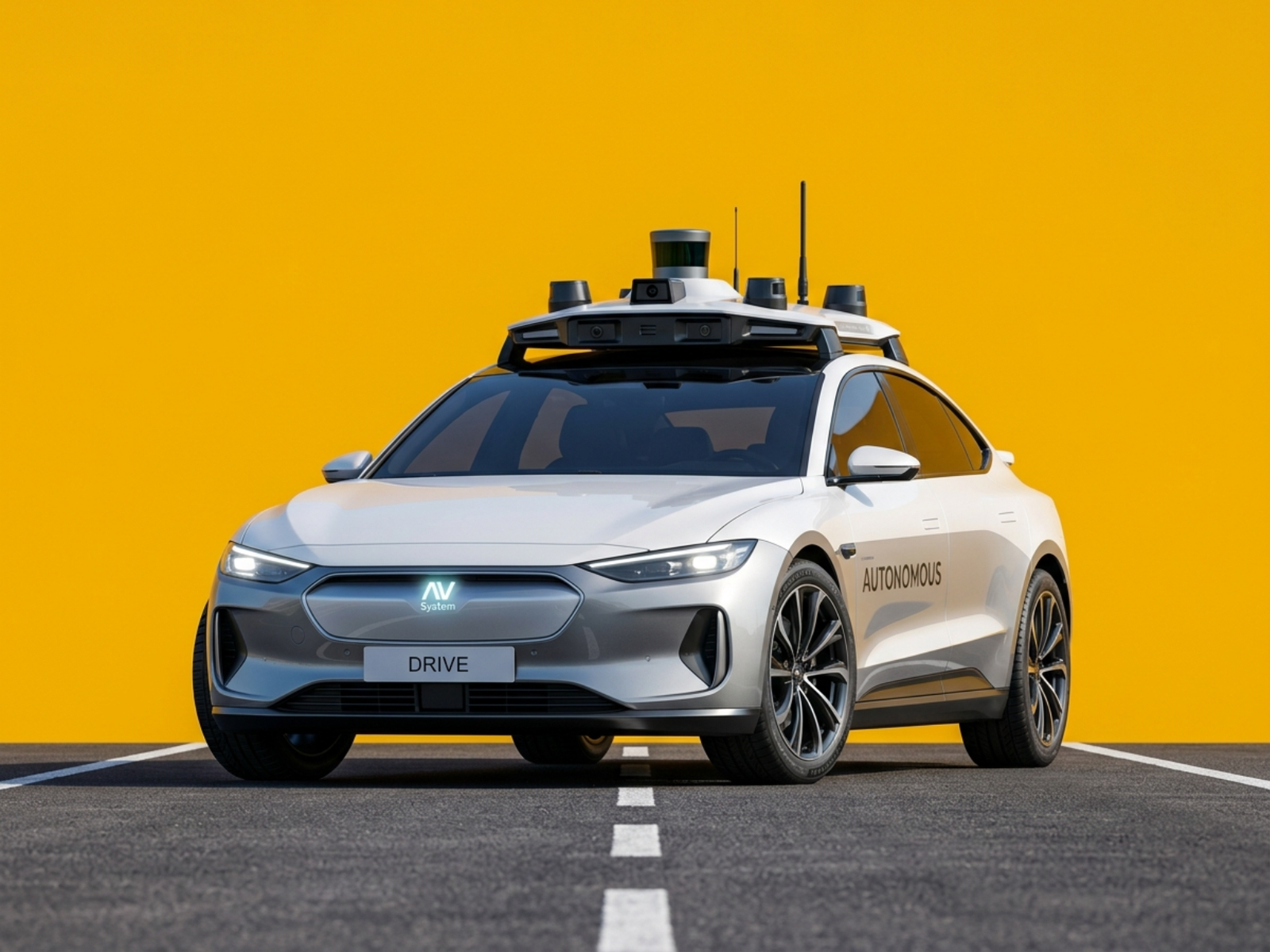
The safety architecture a driverless fleet runs on
ISO 26262 the functional safety standard the fleet architecture was defined to.

The safety architecture a driverless fleet runs on.

Better Devices defined the functional safety concept (ISO 26262) and multi-ECU control architecture behind a safety-critical vehicle platform, the verified foundation a driverless vehicle fleet now runs on.

01 Functional safety concept to ISO 26262
02 Multi-ECU control architecture across the platform
03 The foundation a safety-critical fleet runs on
Read the case study

The Better Devices team is one of those rare groups with the blend of skill, communication, and motivation that leads to successful outcomes, one of the better experiences in my decades-long engineering career.Chief Architect, Autonomous Mobility Company · NDA


Start at the uncertainty

Engagement models that match the decision stage.

Viability is determined with evidence. Blockers, limitations, and next steps are defined before capital is deployed.

STAGE

A concept exists, but no rigorous assessment of whether it can be built within constraints.

SERVICE

Technical Feasibility Analysis

Options are modeled, compared, and documented. A recommended architecture emerges with explicit rationale.

STAGE

Competing architecture concepts with no clear way to compare trade-offs or select a path.

SERVICE

Embedded System Architecture

Cost structure is quantified early. Design decisions are informed by cost impact, not guessed after layout.

STAGE

No reliable view of unit cost, development cost, or cost drivers at scale.

SERVICE

Engineering Cost Modelling

Risks are identified, compared, and mitigated before they become production blockers or field failures.

STAGE

Concern about component availability, obsolescence, or supply-chain concentration.

SERVICE

Technical Risk Analysis

A complete decision-support package that validates the concept, defines the architecture, models the cost, and exposes the risk.

STAGE

Multiple unknowns across viability, architecture, cost, and risk.

SERVICE

Full Feasibility Stack

Each service is useful independently. Together, they create a grounded basis for the device development commitment.

Latest articles & industry insights

View more Insights

FREQUENTLY ASKED QUESTIONS

Straight, technical answers from the engineers who do the work, no sales layer in between.

Book a 30 min call

Can an engagement start from just a concept?

Yes. Functional intent, target use cases, and known constraints are enough to begin, no spec or schematic required.

Does a feasibility engagement commit a team to Better Devices for development?

No. The output is a decision-ready architecture any team can execute, including the client’s own in-house engineers.

How is this different from a standard feasibility study?

It is comparative and model-based. The output is architecture options and documented trade-offs, not a single go/no-go verdict.

How long does a typical engagement take?

Most run three to eight weeks, scaled to the number of open technical questions and the depth of cost and risk modelling required.

What does the engagement deliver at the end?

A documented architecture, quantified cost models, a risk register with mitigations, and a clear line between what is proven and what still needs validation.

Does Better Devices work under client NDA and IP terms?

Yes. Engagements run under the client’s NDA and IP assignment, all architecture, models, and documentation belong to the client.

Decide once. Build once.