
Better Devices engineering team
Engagement Packages

Accelerating the world’s most ambitious hardware programs.

When the technology outpaces a team’s current capacity, Better Devices steps in to handle the complexity, high-stakes engineering engagements that unblock development, retire risk, and clear the path to production.

Engagement Model

The engagements clients come to Better Devices for.

Most embedded programs arrive as one of a few familiar situations, so the response can be just as defined. Each package turns deep embedded capability into a focused engagement, a known set of deliverables and a predictable path to a specific outcome, delivered by the same senior engineers behind the rest of Better Devices’ work.

Where a problem is clear, an open-ended program is overhead; these are built to retire risk and create momentum fast.

Trusted by Fortune 100 companies and venture-backed startups.

The Packages

Three engagements, three clear outcomes.
Legacy System Modernization
01 Investigation

Legacy System Modernization

Unlock new digital capability from hardware too valuable to replace.

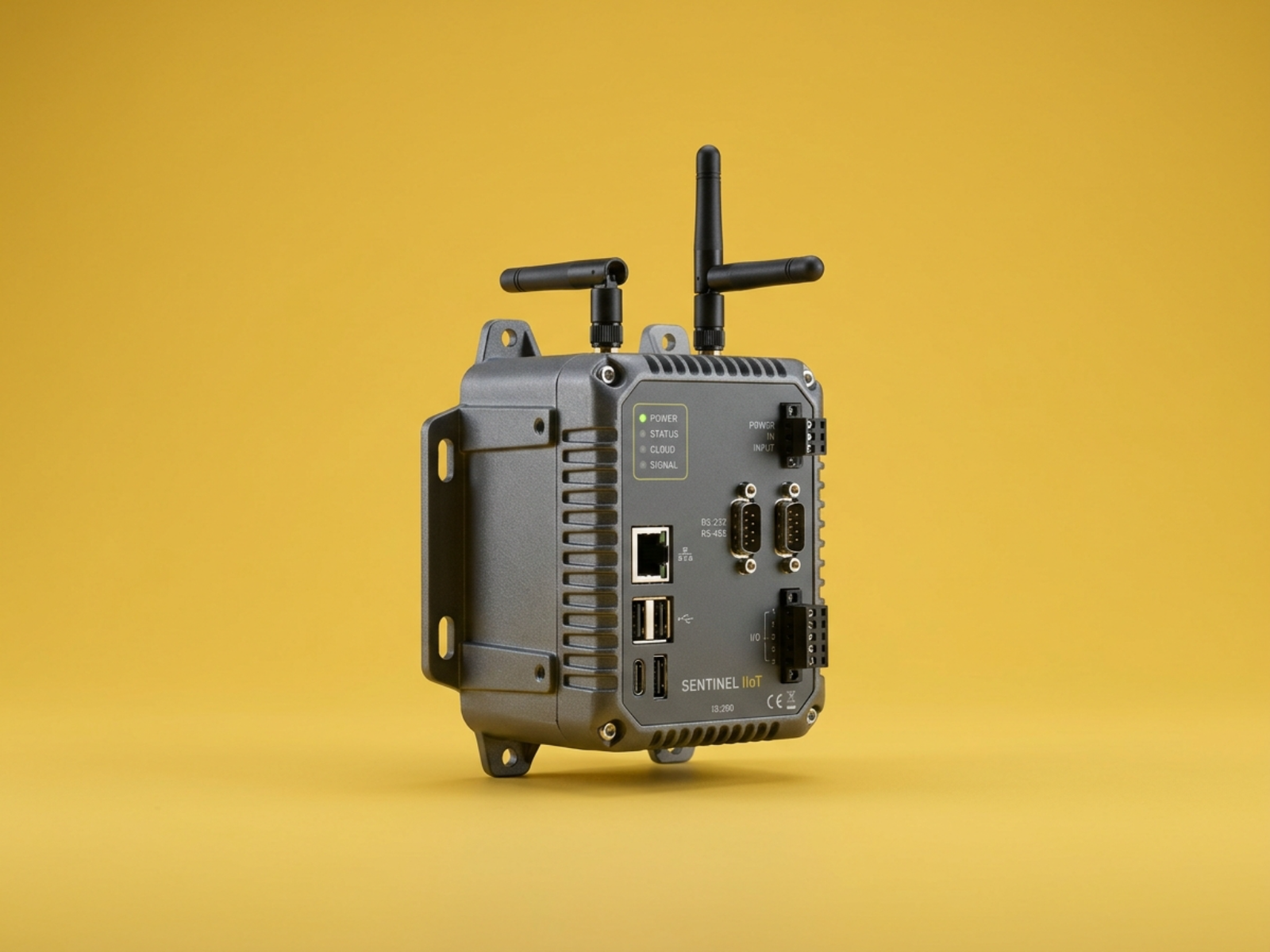
A proven machine, instrument, or controller is usually the last thing a team wants to replace, the cost, downtime, and risk rarely justify it. The difficulty is that while it stays a closed box, the digital use cases stack up just out of reach: remote control, live telemetry, integration with modern software. Legacy System Modernization opens it up, characterising the system, decoding its interfaces, and adding a digital control and status layer.

Explore Investigation
What it changes

No rip-and-replace: the installed base keeps earning, its capability expands instead of being written off.

A closed box becomes integrable: an opaque legacy system turns into one modern software can control and monitor.

Owned, not black-boxed: a behaviour model, interface documentation, and protocol schema make the integration documented and repeatable.

What it delivers

An integrated digital control and status interface, a system behaviour model, interface documentation, a protocol schema where reverse engineering was required, verification results, and an integration-ready API.

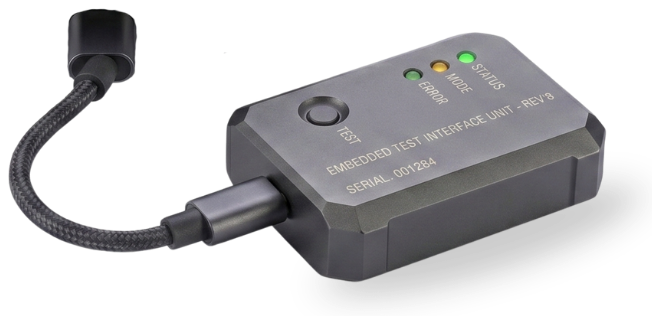
HIL Test Bench Build
02 Testing

HIL Test Bench Build

Clear the validation bottleneck, catch failures before the field, at the speed releases now demand.

As a product scales toward thousands of units and firmware ships on a faster cadence, manual validation stops keeping up, and the failures that slip through get expensive once they reach the field. HIL Test Bench Build clears that bottleneck, designing and building a hardware-in-the-loop bench that exercises the device against simulated signals, loads, and operating conditions, and automating the tests that run against it.

Explore Testing
What it changes

Field conditions, made repeatable: timing, faults, and edge cases that are hard to reproduce by hand become standing tests.

Senior engineering time, given back: automated flashing, setup, execution, and measurement replace the manual cycle.

Velocity without the reliability trade: every firmware change can be validated against real device behaviour.

What it delivers

A working HIL test bench, signal and load simulation capability, an automated test-execution setup, regression-testing capability, and validation reports.

PoC Development Sprint
03 Development

PoC Development Sprint

Prove the hard parts before the full build commits capital, and get the evidence to decide.

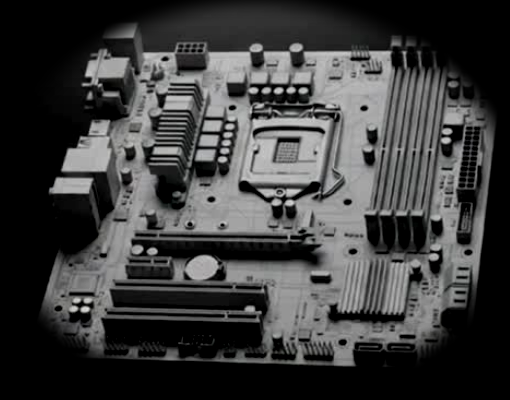
Committing to a full build means committing capital, headcount, and a timeline, often on assumptions that have never been tested in hardware. The PoC Development Sprint proves the riskiest of them fast, building and validating a working proof of concept, retiring the biggest technical unknowns, and producing a clear plan for the next phase. The output is evidence: enough to commit, pivot, or raise on.

Explore Development
What it changes

The riskiest unknowns, retired first: sensor performance, processor load, wireless reliability, proven on real hardware first.

A decision backed by evidence: a working proof of concept turns a build-or-pivot call into one grounded in results.

A plan, not just a prototype: the sprint ends with a risk assessment and a next-step engineering plan.

What it delivers

A working proof of concept, a reference implementation, validation results, the technical learnings, a risk assessment, and a next-step engineering plan.

Which package fits

Start from the situation, not the solution.

A valuable legacy system has to become digitally controllable and integrable.

Legacy System Modernization adds the digital control layer without a replacement.

Validation can’t keep pace with the fleet or the release cadence.

HIL Test Bench Build makes it repeatable and automated.

An ambitious concept needs proving before the full build commits.

PoC Development Sprint retires the risk and produces the plan.

FAQ

Questions, answered.

Can a package run under either commercial model?

Yes. Each can be delivered as a fixed-scope, milestone-based engagement, or folded into an ongoing staff-augmentation arrangement, whichever fits the program.

What if the need spans more than one package?

Common, a PoC sprint that leads into full development, or a modernization that starts with investigation. The first call scopes the right starting point.

What if the problem doesn’t match a package?

These cover the most frequent situations, not the only ones. Work outside them runs as a scoped or staff-augmentation engagement against the same four capabilities.

Is the output owned by the internal team?

Yes. The deliverables, documentation, schemas, test infrastructure, reference implementations, are built to be handed over and carried forward.

Start with the outcome.

A short technical call is enough to confirm the right package, the scope, and the payoff.